

Why Hokkaido Needs Its Own Set of Travel Hacks
Hokkaido isn’t just “northern Japan” – it feels like a different country from Tokyo or Osaka. Winter dumps meters of powder snow, summers are cool and green, and the distances between towns are much bigger than most visitors expect. Sapporo alone gets more than 5 meters of snow a year, which is exactly why it hosts Japan’s most famous winter festival.
In 2026, Hokkaido is only getting more popular – especially for the Sapporo Snow Festival, ski trips around Niseko, and summer lavender pilgrimages to Furano. If you go in blind, you’ll waste money, time, and a lot of energy. If you plan smart, Hokkaido becomes one of the easiest, most rewarding parts of Japan to explore.
Let’s make sure you’re in the second group.
Hack #1 – Choose the Right Season (and Region) for Your Style
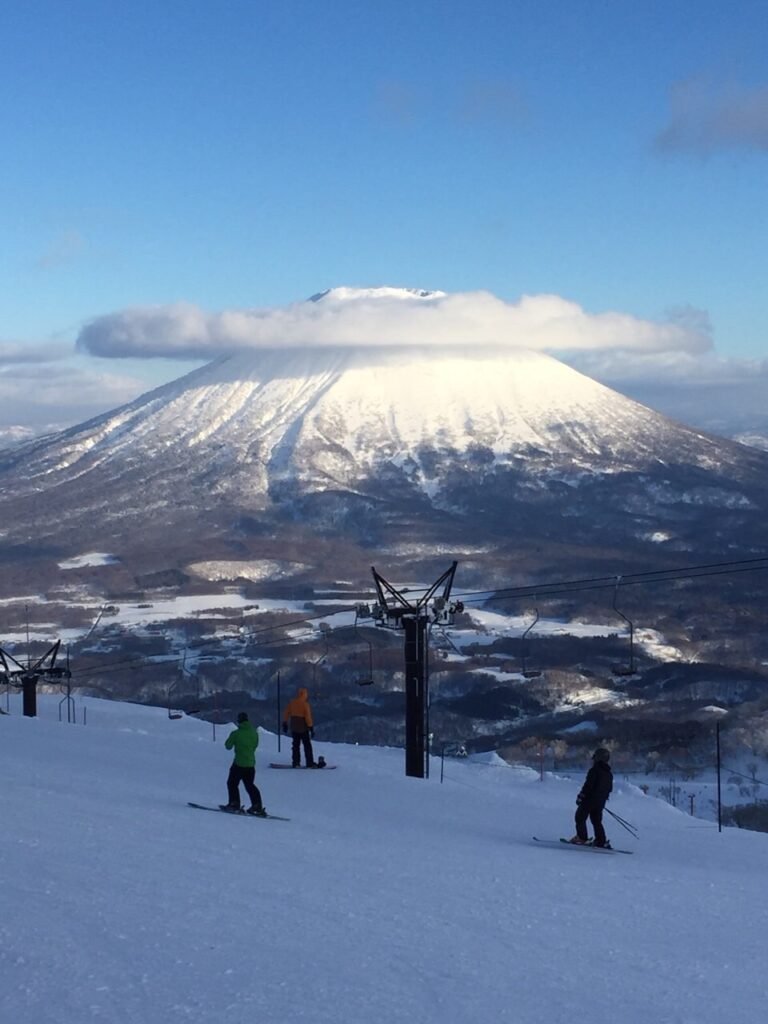
Winter wonderland – festivals, skiing, and hot springs
If you’re dreaming of giant snow sculptures, glowing ice castles, and ski runs that feel like floating on clouds, winter (late December–February) is your season. The Sapporo Snow Festival is held in early February and pulls around two million visitors to see enormous snow and ice sculptures across Odori Park, Susukino, and Tsudome.
2026 dates are set for February 4–11, so if that’s on your bucket list, plan everything around that week.
Best winter bases:
- Sapporo – for the festival, nightlife, and easy day trips.
- Niseko / Rusutsu / Furano – for ski resorts and powder.
- Noboribetsu / Jozankei – for hot springs in the snow.
Summer vibes – lavender, hiking, and coasts
Summer in Hokkaido (June–August) feels like cheating the heat. While mainland Japan is steamy, Hokkaido gives you cool nights, flower fields, and seaside drives.
The most iconic sight? Lavender fields in Furano and nearby farms, especially Farm Tomita and other “lavender holy lands,” where hills turn into endless purple carpets from early to late July.
Best summer bases:
- Furano & Biei – flower fields and rolling hills.
- Asahikawa – gateway to Daisetsuzan hikes.
- Hakodate – romantic port city + night view.
- Shiretoko / Eastern Hokkaido – wild nature, drift ice in winter, rugged coast in summer.
Shoulder seasons – fewer crowds, better prices
If you hate crowds, consider:
- Late May–June – spring flowers, melting snow in the mountains.
- Late September–October – autumn foliage, clear skies, cooler air.
You’ll often find cheaper hotels and quieter trains, but note that some seasonal attractions (like certain ropeways or farms) might not be at peak color.
Mini-tip: Match region to your theme
- Food & city life – Sapporo, Hakodate, Otaru
- Ski & snowboard – Niseko, Furano, Rusutsu, Kiroro
- Scenic drives & nature – Furano–Biei, Shiretoko, eastern Hokkaido
Pick your theme first; then pick your region. That one decision already makes your trip smarter.
Hack #2 – Use Regional Rail & Bus Passes Instead of Paying Per Ride
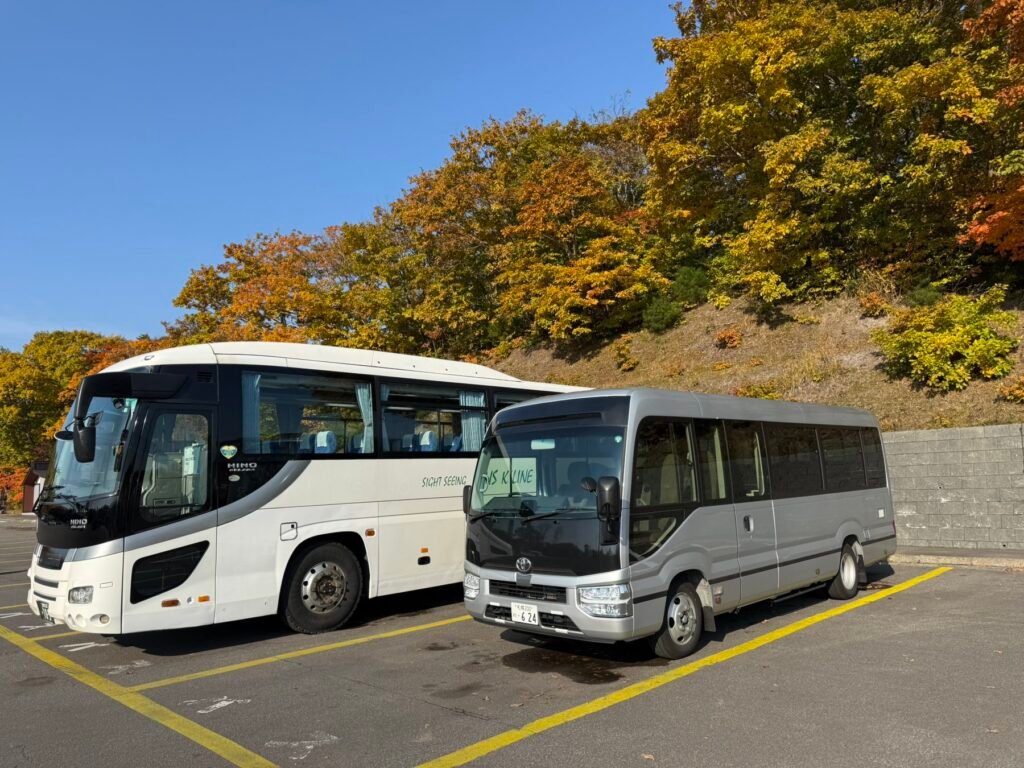
When a nationwide JR Pass does not make sense
The classic mistake: buying a full Japan Rail Pass and then spending most of your time in Hokkaido, where distances are long and not everything is covered by shinkansen or JR lines. You can end up paying more while still needing buses or rental cars.
Look at Hokkaido-focused passes
Depending on your plan, passes like these (names and options can change slightly year to year) often work better:
- JR Hokkaido regional passes – cover specific zones or all of Hokkaido for a few days of unlimited JR train rides.
- City passes – Sapporo has day passes for subway + tram + some buses that pay off if you ride 3+ times a day.
- Airport + city combos – some tickets bundle the airport train (New Chitose ⇄ Sapporo) with metro usage.
Always compare:
- All your big train rides summed up individually, vs
- Price of a regional pass.
If the pass is cheaper and the dates match your travel window, grab it.
Combine trains + highway buses
For routes like Sapporo ⇄ Furano or Sapporo ⇄ Asahikawa, highway buses can be cheaper and sometimes more convenient than trains, especially in winter when you want a direct route with no transfers.
Smart combo:
- Take JR train for long, fast sections (e.g., Sapporo ⇄ Hakodate).
- Use buses for direct access to resorts, lakes, and smaller towns.
Hack #3 – Base Yourself in Smart Hubs (Not Random Small Towns)
Sapporo as your flexible home base
Sapporo has:
- Great public transport (subway, buses, JR lines)
- An endless supply of hotels for all budgets
- Easy day trips (Otaru, Jozankei Onsen, Yoichi)
In winter, Sapporo is particularly convenient because snow clearing is efficient and you’re close to festival areas and main train lines.
Secondary hubs: Asahikawa, Hakodate, Niseko
- Asahikawa – excellent for day trips to Furano/Biei in summer or Kamui / Asahidake in winter.
- Hakodate – perfect if you’re arriving via the Hokkaido Shinkansen; great food and views.
- Niseko – ideal if skiing is the focus; stay here and day trip to nearby resorts or onsen.
Example smart 6-day loop
- Day 1–3 – Stay in Sapporo (Snow Festival / city / Otaru).
- Day 4–5 – Move to Niseko for skiing / snowboarding.
- Day 6 – Back to Sapporo or direct to airport.
Fewer hotel changes = less packing stress and more actual vacation.
Hack #4 – Time Your Winter Trip Around Snow Festivals
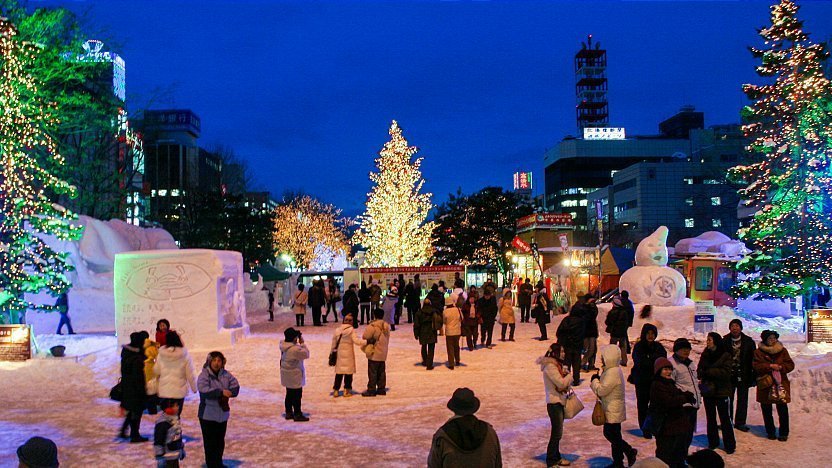
Know the Sapporo Snow Festival basics
The Sapporo Snow Festival is held only in early February each year, with massive snow sculptures in Odori Park, ice art in Susukino, and snow play areas at Tsudome.
For 2026, plan around:
- February 4–11, 2026 – official festival period.
Pair it with other winter festivals
If you’re already in Hokkaido, add:
- Otaru Snow Light Path Festival – small lanterns and snow candles line the canal and streets, creating a soft, romantic atmosphere.
- Lake Shikotsu Ice Festival – illuminations and ice structures formed with natural spring water.
Many of these overlap or run close to the Sapporo festival dates, so you can see two or three festivals in one trip.
Crowd-beating tips
- Book accommodation months in advance for early February in Sapporo.
- Visit Odori Park early morning or late evening to avoid the heaviest crowds.
- Use Sapporo’s subway (especially Odori, Susukino, and Sapporo stations) to hop between festival sites instead of walking everything in the freezing cold.
Hack #5 – Rent a Car the Smart Way (Especially Outside Winter Cities)
Choose Car Smile Rental
Rent a car and everything you need for your Hokkaido adventure—from camping gear to winter sports equipment—all in one place.
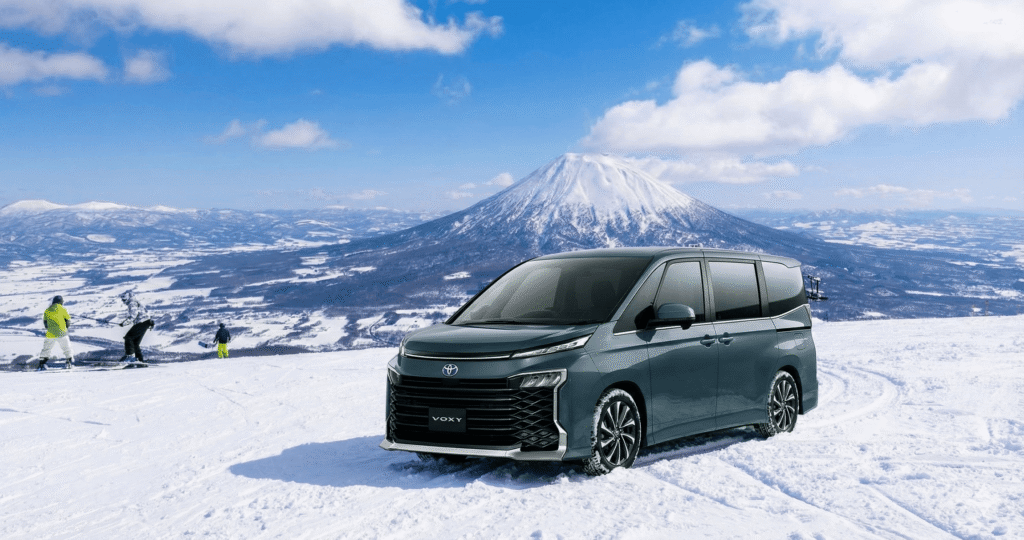
When driving beats public transport
Public transport is great between major cities, but once you start chasing flower fields, lakes, or remote hot springs, a rental car often wins:
- Furano & Biei viewpoints
- Shiretoko Peninsula lookouts
- Smaller coastal towns and hidden onsen
A car gives you sunrise/sunset flexibility that trains just can’t.
Winter driving: only if you’re confident
Hokkaido roads are well maintained, but winter means:
- Black ice
- Whiteouts
- Narrow, snow-walled roads
Only drive in winter if:
- You have solid snow-driving experience.
- You book a car with studless winter tires (standard in Hokkaido) and, ideally, 4WD.
- You’re comfortable cancelling or adjusting plans during heavy snow.
If you’re not sure, stick to trains/buses in winter and save driving for late spring–autumn.
Money-saving car tips
- Pick up and drop off at the same location when possible – one-way fees can be steep.
- Book early around festivals or lavender season.
- Use ETC (toll card) plus expressways only when they clearly save serious time.
- Fill up at big chain gas stations before entering remote areas.
Download offline maps and pin all key spots (hotel, gas, 24-hour convenience stores) before you go.
Hack #6 – Sleep Smarter: Mix Business Hotels, Ryokan, and Hostels
Business hotels: the underrated hero
Japanese “business hotels” sound boring but they’re a backpacker’s dream:
- Clean, compact rooms with private bathroom
- Often include simple breakfast
- Located right by major train stations
- Great value if you don’t mind smaller rooms
Chains like these are common in Sapporo, Hakodate, Asahikawa, and other cities.
Treat yourself to one onsen ryokan night
Balance the budget with one special ryokan stay:
- Tatami room + futon
- Kaiseki (multi-course) dinner featuring Hokkaido seafood and vegetables
- Indoor/outdoor hot springs, often with snowy views in winter
If you choose it wisely (e.g., Noboribetsu, Jozankei, or Lake Toya), that one night might be the most memorable part of your trip.
Booking tactics for peak times
- For Snow Festival or lavender season, book months ahead and use free-cancellation rates if your dates aren’t locked.
- Look one train stop away from super-central stations for better value (e.g., staying near Kotoni instead of only around Sapporo Station).
Hack #7 – Eat Like a Local Without Blowing Your Budget
Combini, set lunches, and station food courts
You don’t need to splurge every meal. In Hokkaido, you can eat very well on a budget:
- Convenience stores (combini) – hot oden in winter, decent salads, onigiri, fried chicken, and surprisingly good coffee.
- Teishoku (set meal) restaurants – grilled fish, rice, miso soup, and pickles for the price of a Starbucks run.
- Depachika (department store basements) – bento boxes, croquettes, and sweets to take back to your room.
Must-try Hokkaido dishes
Add these to your list:
- Miso ramen (Sapporo) – rich, warming, perfect after freezing nights.
- Soup curry – spicy broth loaded with vegetables and meat.
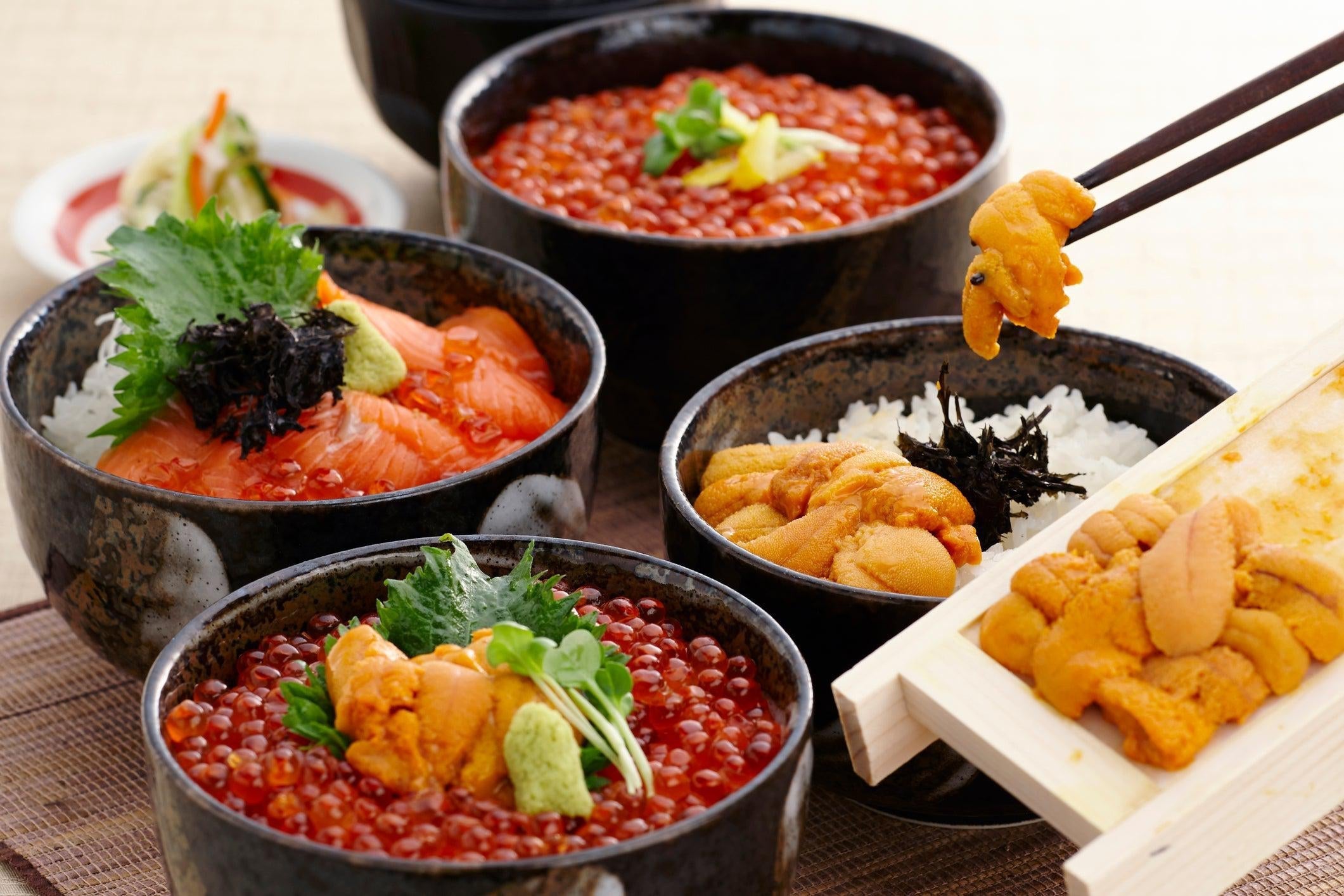
- Kaisen-don (seafood rice bowls) – especially in Hakodate’s morning market.
- Jingisukan (grilled lamb) – famous Hokkaido specialty.
- Soft-serve ice cream & dairy – Hokkaido milk = elite.
Ramen alleys and seafood markets without stress
- Ramen alleys can be packed; go slightly off-peak (early lunch or late dinner).
- Seafood markets (like in Hakodate) are full of stalls; walk once through the whole place before choosing a spot so you don’t regret your first choice.
Hack #8 – Stay Connected and Cash-Savvy
eSIM, pocket Wi-Fi, and offline maps
For 2026, you have three main options to stay online:
- eSIM – easiest if your phone supports it; activate before you land.
- Physical SIM – buy at the airport or big electronics stores.
- Pocket Wi-Fi – good for groups or if your phone is locked.
Fast, stable data makes life easier at festivals like Sapporo Snow Festival, where you’ll want to navigate crowds, upload photos, and translate signs.
Download offline maps for Sapporo, Niseko, Furano, and any rural area you’ll drive through.
Cash vs cards in Hokkaido in 2026
Hokkaido is increasingly card-friendly, especially in cities, but:
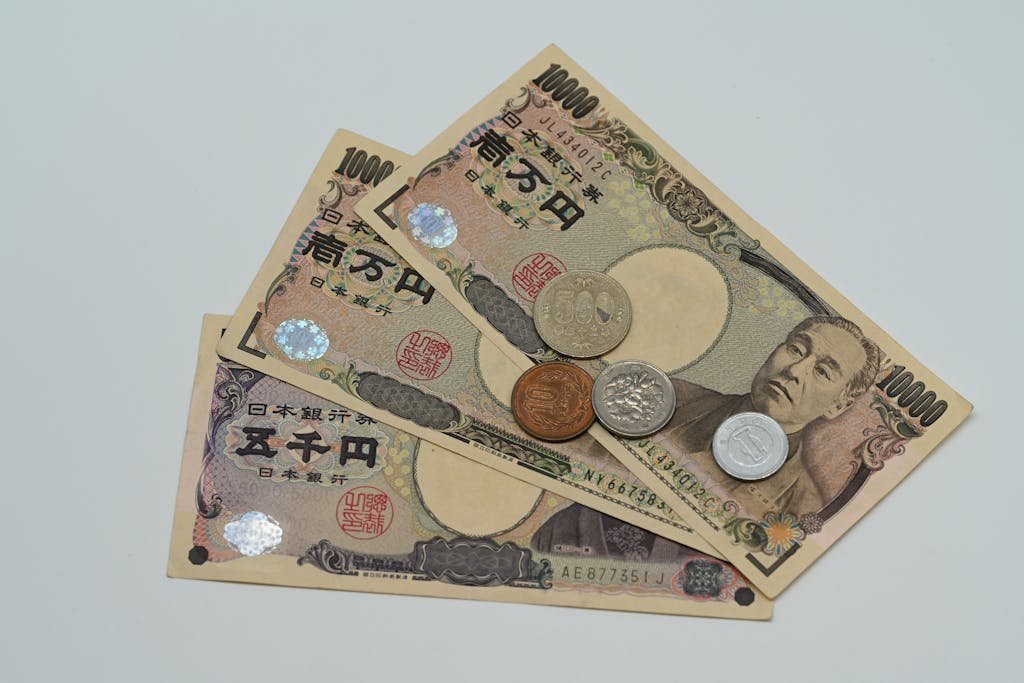
- Small onsen inns, countryside shops, and older restaurants may still be cash-only.
- Keep some yen on you, especially in rural areas or at local festivals.
Aim for a mix: one or two credit/debit cards + enough cash for a couple of days.
Use IC cards even in Hokkaido
IC cards like Suica or PASMO (now widely usable across Japan) can often be used on Hokkaido’s trains, buses, and in many convenience stores. They’re a lifesaver when you don’t want to puzzle over ticket machines.
Hack #9 – Pack for Hokkaido’s Wild Weather Swings
Winter packing: think “onion layers”
Hokkaido winter is serious. Your best friends:
- Base: Heat-tech or thermal underwear
- Mid: Sweater or fleece
- Outer: Waterproof, windproof coat
- Extras:
- Warm hat and gloves
- Scarf or neck warmer
- Non-slip boots (or attachable ice grips)
- Disposable heat packs (kairo) – cheap from convenience stores
The air is dry, so bring lip balm and moisturizer too.
Summer packing: cool but not cold
Even in August, nights can be cool up north or at altitude:
- Light layers (T-shirt + thin jacket/cardigan)
- Comfortable walking shoes or sandals
- Sun protection – cap, sunglasses, high-SPF sunscreen
- A small foldable umbrella or light rain jacket
Laundry hacks for longer stays
- Many business hotels have coin laundry – perfect for washing thermals and socks.
- Pack quick-dry clothes where you can.
- Washing halfway through your trip lets you travel lighter and makes train/bus days less painful.
Hack #10 – Learn the Little Local Rules (So You Don’t Stand Out)
Onsen etiquette – very important in Hokkaido
You’ll likely end up in a hot spring at some point, so remember:
- Wash and rinse thoroughly before entering the shared bath.
- No swimsuits – enter naked (gender-separated baths).
- Don’t soak your towel in the water; leave it on the side or on your head.
- Keep noise low; it’s a place to relax, not a pool party.
Everyday etiquette: trains, streets, rubbish
- On trains and buses, speak quietly and avoid phone calls.
- Don’t eat messy or smelly food on local trains.
- Trash bins can be rare – carry a small bag and take your rubbish back to the hotel or a convenience store bin.
Easy Japanese phrases that actually help
Even simple phrases go a long way:
- Sumimasen – Excuse me / sorry / hey (polite attention-getter)
- Arigatou gozaimasu – Thank you very much
- Eigo dekimasu ka? – Do you speak English?
- Kore wa nan desu ka? – What is this?
- … ni ikitai desu – I want to go to …
Locals are often shy but very kind; a little effort from you unlocks a lot of warmth from them.
3 Sample “Smart Hokkaido” Itineraries
4 days – Sapporo & Otaru winter escape
- Day 1 – Arrive in Sapporo, explore Odori Park and Susukino, warm up with miso ramen.
- Day 2 – Sapporo Snow Festival sites (Odori, Tsudome), evening soup curry.
- Day 3 – Day trip to Otaru: canal, old warehouses, music boxes, seafood lunch; back to Sapporo.
- Day 4 – Last-minute shopping and depart from New Chitose Airport.
6 days – Summer lavender & blue lakes loop
- Day 1 – Sapporo city sights and food.
- Day 2 – Train or bus to Furano; sunset at Farm Tomita or nearby lavender fields.
- Day 3 – Spend the day exploring Furano & Biei flower fields and viewpoints.
- Day 4 – Head to Asahikawa; zoo or Daisetsuzan area depending on your interests.
- Day 5 – Asahikawa to Sapporo, quick detour to an onsen.
- Day 6 – Free day in Sapporo, then flight out.
8 days – Ski + onsen + city combo (winter)
- Day 1 – Sapporo arrival, city walk.
- Day 2–4 – Niseko: skiing/snowboarding, one day focused on onsen and cafés.
- Day 5 – Transfer to Noboribetsu for a full onsen experience.
- Day 6 – Hell Valley walk, more onsen, move back to Sapporo.
- Day 7 – Sapporo Snow Festival or free city exploration.
- Day 8 – Shopping, souvenirs, return home.
- Final Thoughts – Enjoy Hokkaido the Smart, Stress-Free Way
Hokkaido can feel huge and complicated when you first look at the map. But once you match your season to your interests, base yourself in the right hubs, and use smart tools like regional passes, business hotels, and offline maps, everything clicks into place.
You don’t need a perfect, minute-by-minute plan. You just need the right framework:
- A clear theme (snow festivals, skiing, flowers, or nature)
- A few well-chosen bases like Sapporo, Niseko, or Furano
- A couple of money-savvy tricks (passes, car use, food choices)
Do that, and Hokkaido turns into what it should be: not a logistics headache, but a relaxed adventure full of hot springs, soft snow, purple hills, and ridiculously good food.
FAQs About Smart Hokkaido Travel
1. Is Hokkaido worth visiting if I’ve already been to Tokyo and Osaka?
Absolutely. Hokkaido feels completely different from Japan’s big mainland cities. You get more open space, cooler summers, heavy winter snow, and a strong food culture based on dairy, seafood, and local produce. It’s like seeing Japan’s wild side after getting to know its urban face.
2. When is the best month to visit Hokkaido for first-timers?
If you love winter, early February is hard to beat because of the Sapporo Snow Festival and other ice events.
If you prefer flowers and road trips, aim for July, when the lavender fields in Furano are at their best.
3. Do I really need to rent a car in Hokkaido?
Not always. If you’re mainly doing Sapporo + Otaru + one or two nearby spots, trains and buses are enough. A car becomes very useful if you want to explore Furano & Biei in detail, drive coastal routes, or visit remote onsen and national parks at your own pace.
4. Is Hokkaido more expensive than the rest of Japan?
It depends. Accommodation during peak times (Snow Festival, ski season, lavender season) can be pricey, but food can actually be good value, especially if you eat at set-meal restaurants, markets, and convenience stores. With smart planning, Hokkaido doesn’t have to bust your budget.
5. Can I visit both the Sapporo Snow Festival and the lavender fields in one trip?
You can, but you’d need two separate trips or a very long stay. Snow festivals happen in early February, while lavender peaks in July. They’re different seasons – think of it as the perfect excuse to visit Hokkaido twice.