

If you’re dreaming about snowy mountains, steaming hot springs, and bowls of ramen that could change your life, Hokkaido in 2026 should definitely be on your radar. It’s Japan’s northernmost main island – wide, wild, and completely different from the Tokyo–Osaka “golden route” most tourists follow.
This guide walks you through everything: when to visit, how to get around, what to eat, what to pack, and how not to embarrass yourself at an onsen. By the end, you’ll feel ready to plan a real trip, not just save pretty photos on Pinterest.
Why Visit Hokkaido in 2026?
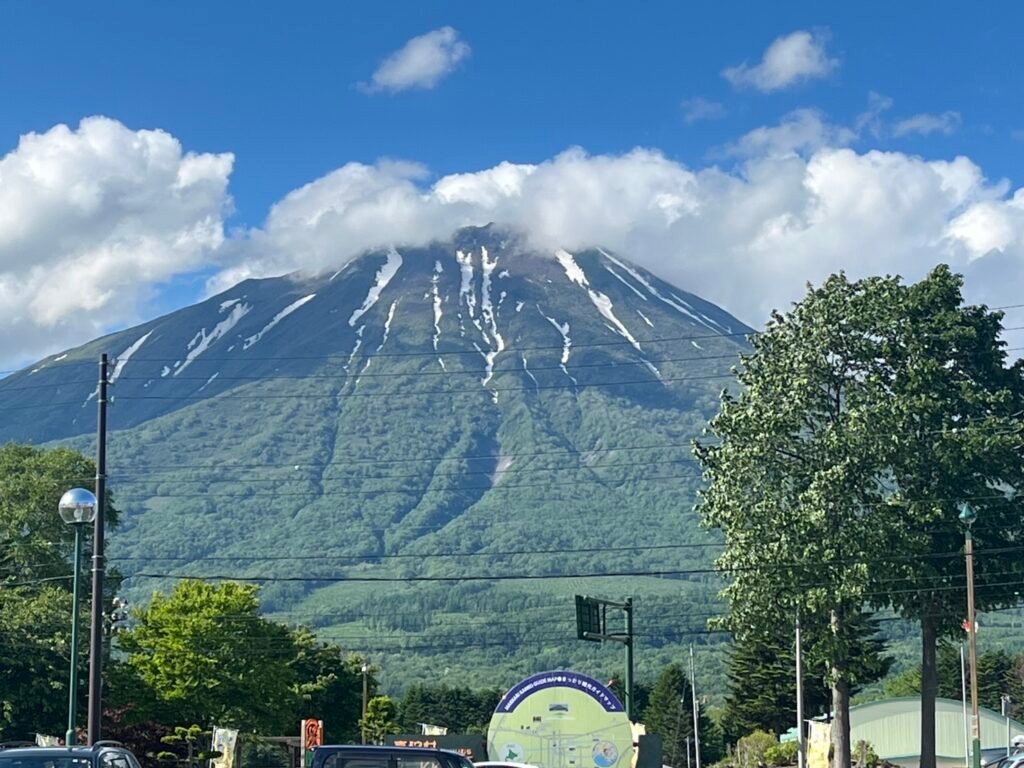
What Makes Hokkaido Special Compared to the Rest of Japan
Hokkaido is where Japan feels more “nature” than “city.” Think:
- Big skies and long roads instead of packed trains
- Stunning national parks with lakes, volcanoes, and wild coastlines
- Snow so fluffy it has its own fan club (especially among skiers and snowboarders)
Compared to mainland Japan, Hokkaido is:
- Less crowded – even in peak seasons, you can still breathe
- More relaxed – people tend to be laid-back and friendly
- More spacious – perfect for self-drive trips and road adventures
If you like the idea of Japan but hate the idea of standing in line 40 minutes for a photo spot, Hokkaido will feel like a deep exhale.
Seasonal Highlights in 2026 (Winter, Spring, Summer, Autumn)
Hokkaido changes character every season:
- Winter – Powder snow, ski resorts, ice festivals, snow monsters, hot springs.
- Spring – Late cherry blossoms, fresh seafood, less-crowded sightseeing.
- Summer – Lavender fields in Furano, flower farms, mild weather (while Tokyo melts).
- Autumn – Fiery red and gold foliage, clear skies, perfect for hiking.
Your experience in 2026 will heavily depend on when you go, so let’s break it down.
When Is the Best Time to Visit Hokkaido in 2026?
Winter 2026 – Snow, Skiing, and Festivals
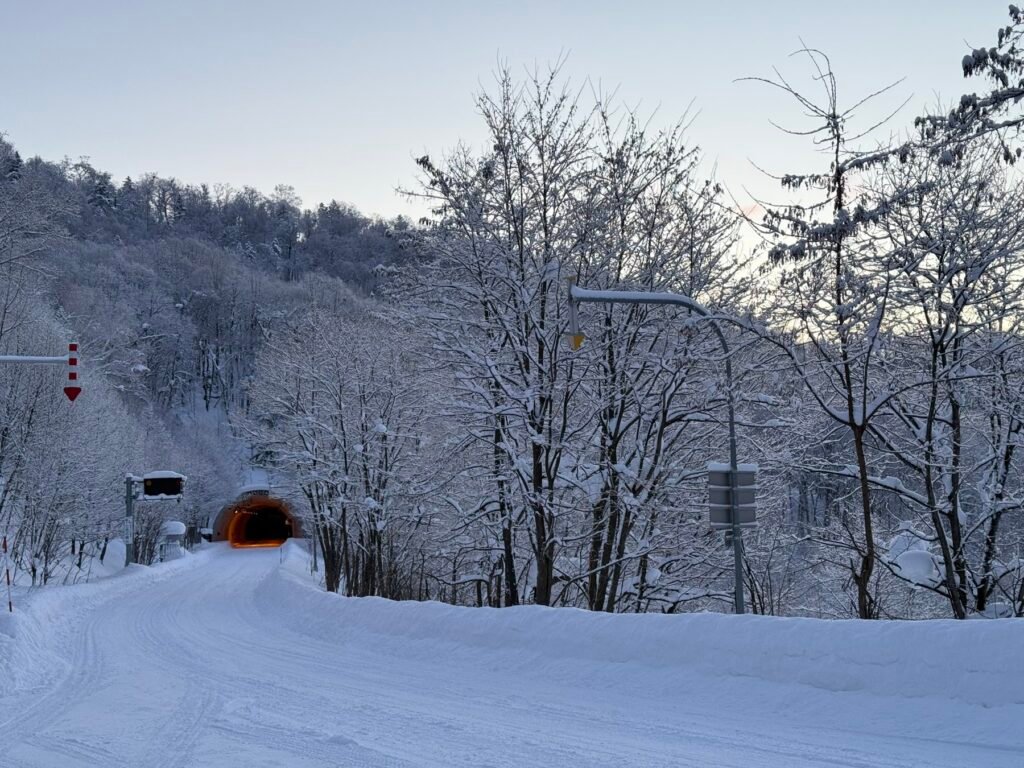
If you love winter, Hokkaido is your playground.
What winter looks like (roughly December–March):
- Deep, dry powder snow – perfect for skiers and snowboarders
- Famous resorts like Niseko, Furano, and Rusutsu
- Sapporo Snow Festival (usually early February) – huge snow and ice sculptures
- Snowy canals in Otaru – especially magical at night
Winter tips:
- Book ski resorts and festival dates early – they sell out fast.
- Wear waterproof, not just warm. Snow in Hokkaido is everywhere – roads, stairs, your shoes.
- Expect icy sidewalks – bring shoes/boots with good grip or traction cleats.
Spring 2026 – Cherry Blossoms and Mild Weather
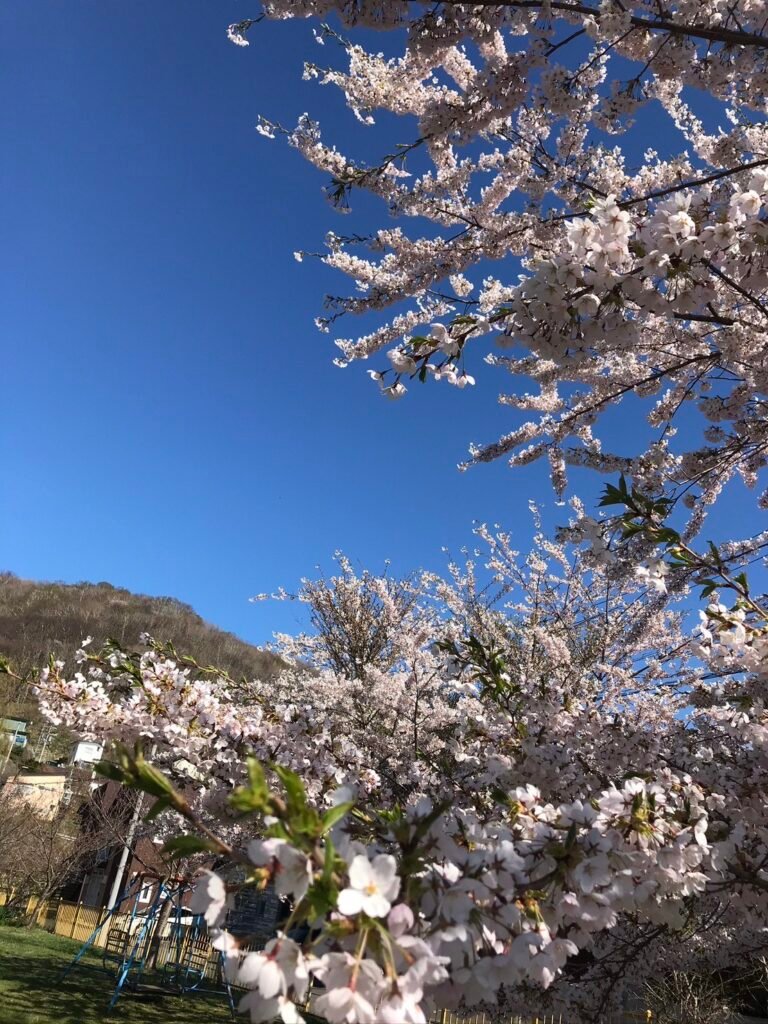
Hokkaido’s cherry blossoms bloom later than Tokyo and Kyoto, often late April to early May.
Spring perks:
- You can catch sakura in Hokkaido after they’re over in the rest of Japan.
- Temperatures are cool but manageable (you’ll still want a jacket).
- Less crowded than Golden Week hotspots down south.
Spring is great if you want a mix of cool weather, blossoms, and some lingering snow on mountains.
Summer 2026 – Green Landscapes and Outdoor Adventures
While Tokyo and Osaka are sweating, Hokkaido is pleasantly cool.
Why summer is amazing:
- Lavender fields in Furano and Biei (usually July) – postcard-perfect scenery
- Hiking in Daisetsuzan National Park, Shiretoko, and Akan–Mashu
- Driving endless country roads with blue skies and rolling hills
- Seasonal food like soft-serve ice cream, fresh corn, and melon
If you hate humidity but want to enjoy nature, summer in Hokkaido is your sweet spot.
Autumn 2026 – Colorful Leaves and Fewer Crowds
Autumn foliage begins earlier than Tokyo, often starting in late September in higher elevations and lasting into October.
Why you’ll love autumn:
- Intense red, orange, and yellow leaves around mountains and lakes
- Crisp air, but not freezing yet
- Ideal for hot springs + cool evenings combo
- Fewer crowds than summer and winter peak times
If you’re after peaceful scenery and warm-toned landscapes, aim for fall 2026.
How to Get to Hokkaido in 2026
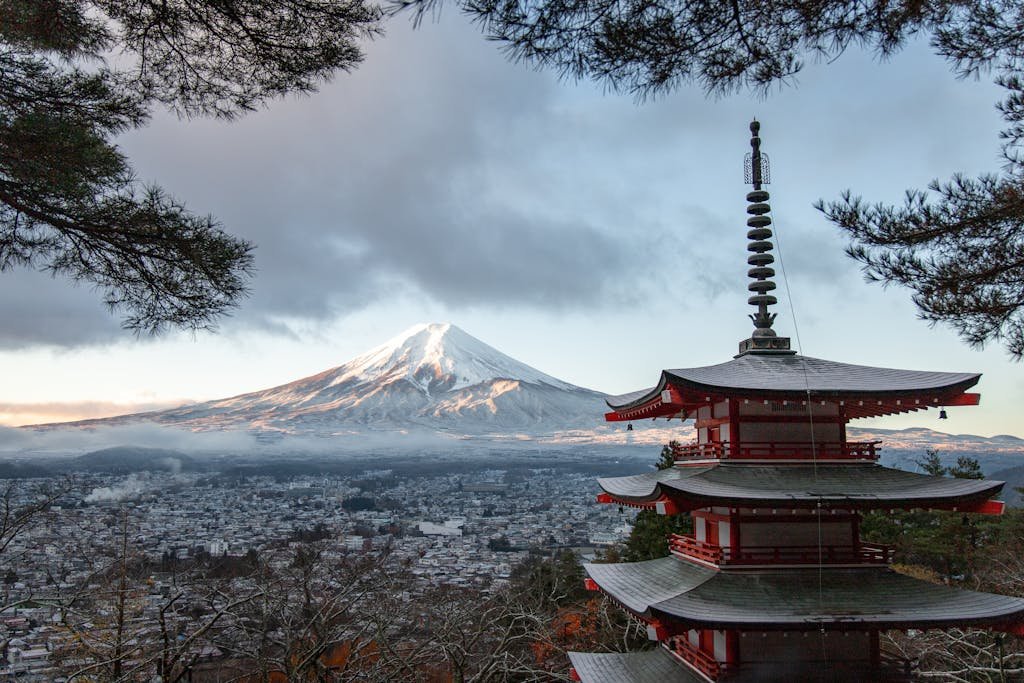
Flying into New Chitose Airport
The main gateway to Hokkaido is New Chitose Airport (CTS), near Sapporo.
Good to know:
- Many domestic flights from Tokyo, Osaka, Nagoya, and other major cities
- Some international flights from Asian hubs (depending on airline schedules)
- Easy access to Sapporo via train (~40 minutes to Sapporo Station)
If your plan is “Hokkaido only,” flying directly into CTS is usually the fastest and simplest.
Using the Shinkansen and Trains
If you like trains, you can take the Shinkansen (bullet train) up to Hakodate via the Hokkaido Shinkansen line from Honshu.
Pros:
- Comfortable, scenic, and relaxing
- Great if you’re traveling through Tohoku (Sendai, Aomori) before Hokkaido
Cons:
- Not the fastest way to reach Sapporo compared to direct flights
- You’ll need to transfer to limited express trains within Hokkaido to continue north
It’s a good choice if you’re on a rail pass or love rail travel more than speed.
Domestic Flights and Budget Airlines
Japan’s low-cost carriers and major airlines fly to Hokkaido from many cities.
Tips:
- Watch for early-bird discounts and seasonal sales.
- Try flying into one airport (e.g., New Chitose) and out of another (e.g., Hakodate or Asahikawa) if your route makes sense.
Getting Around Hokkaido
Train and Bus – When They Are Enough
Trains and buses connect major cities like Sapporo, Otaru, Asahikawa, Hakodate, and some tourist areas.
Good use cases:
- City-based trips (Sapporo + Otaru + day trips)
- Winter travelers who don’t want to drive in the snow
- Short stays (3–4 days) focused on a limited region
However, once you want to explore national parks, small towns, or multiple remote spots, you’ll feel the limits.
Renting a Car – The Ultimate Hokkaido Freedom
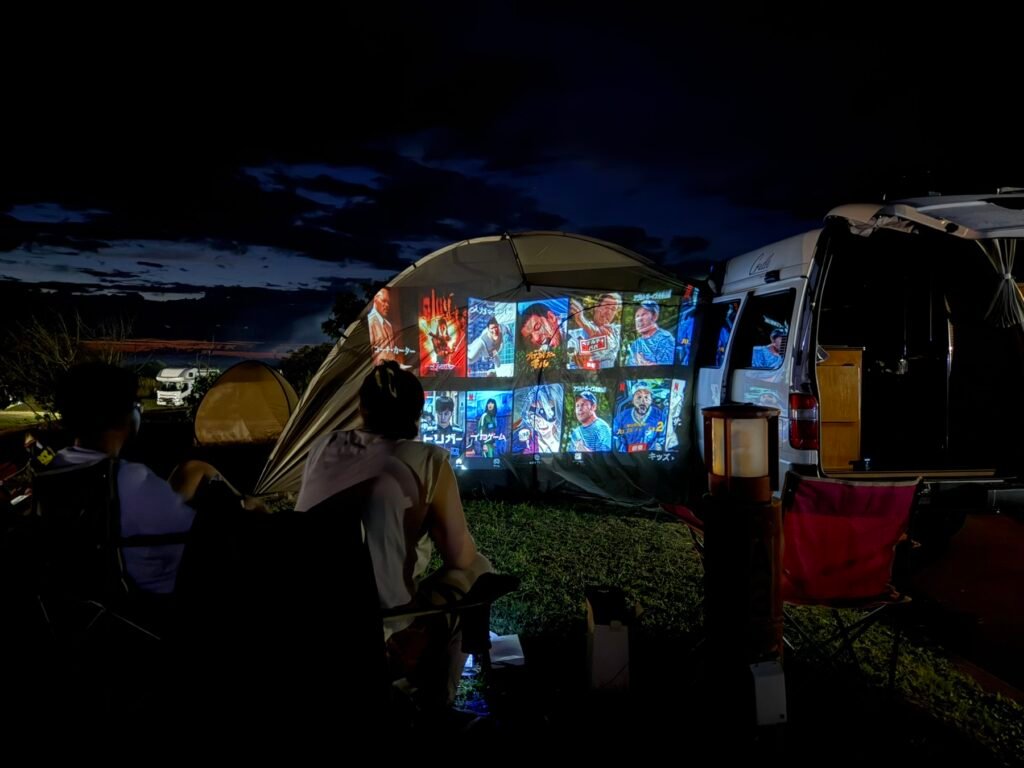
For many people, the best way to experience Hokkaido is by car.
Why driving is worth it:
- Flexible timing – no waiting for buses
- Access to hidden spots, viewpoints, and local eateries
- Better for families, groups, or photography lovers
Important:
- You’ll need an International Driving Permit (IDP) + your home license.
- Book in advance, especially for summer and winter holidays.
- Many rental cars come with built-in English navigation.
Driving Tips for Foreign Tourists in 2026
- Japan drives on the left side of the road.
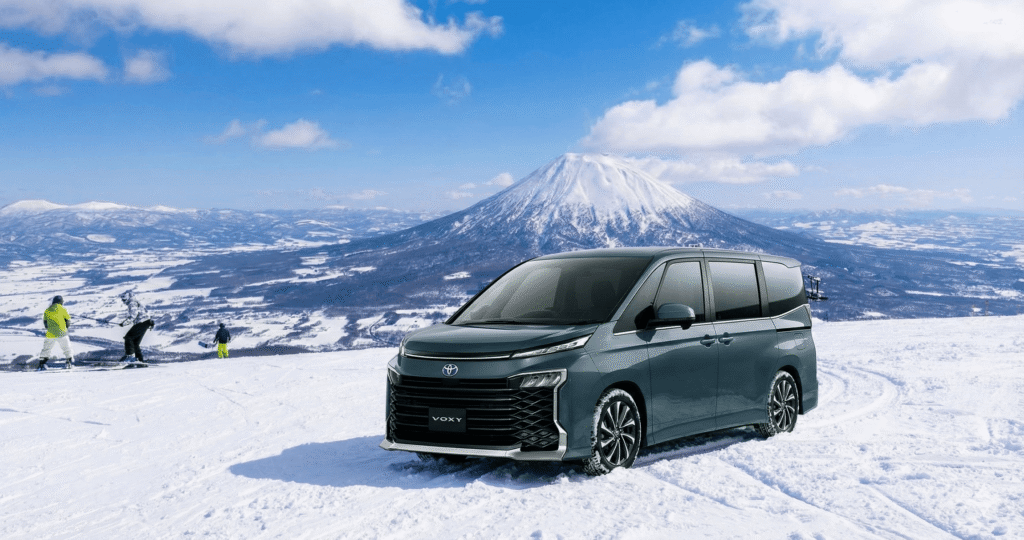
- Snow and ice are serious in winter – rent a car with winter tires.
- Watch speed limits and parking rules – fines in Japan are not fun.
- In rural areas, gas stations may close early – don’t run your tank to near zero.
If you’re not confident driving in winter, consider visiting in summer or autumn instead, or stick to trains/buses in winter.
Choose Car Smile Rental
Rent a car and everything you need for your Hokkaido adventure—from camping gear to winter sports equipment—all in one place.
Where to Stay in Hokkaido
Best Areas for First-Time Visitors
If this is your first Hokkaido trip, consider:
- Sapporo – best base for first-timers, with food, nightlife, easy transport
- Otaru – romantic canal town, great for 1–2 nights
- Niseko – ideal in winter for skiing, in summer for green nature
- Furano/Biei – famous for flowers, hills, and scenic drives
Business Hotels vs. Ryokan vs. Guesthouses
You’ll find three common types of stays:
- Business hotels – Simple, clean, compact rooms. Great if you’re out all day.
- Ryokan (traditional inns) – Tatami rooms, kaiseki meals, often with onsen. More expensive but more “Japanese.”
- Guesthouses/hostels – Budget-friendly, social, often used by solo travelers.
For a balanced trip, try a mix. For example:
- Business hotel in Sapporo
- Ryokan with onsen for 1–2 nights in a hot spring town
- Small guesthouse in a countryside area
How to Choose Accommodation Based on Season
- Winter: Stay closer to stations, ski lifts, and central areas (walking in snow is tiring).
- Summer: Look for lodging with parking and scenic surroundings (for drives and walks).
- Autumn/Spring: Onsen (hot spring) stays are extra enjoyable with cool evenings.
Must-Visit Places in Hokkaido (2026 Edition)
Sapporo – Food, Shopping, and City Culture
Sapporo is Hokkaido’s capital and your likely first stop.
Don’t miss:
- Ramen alleys and dedicated ramen streets
- Sapporo Beer Museum and beer garden
- Susukino area for nightlife and izakaya (Japanese-style pubs)
- Seasonal events like snow festival (winter) or beer garden (summer)
Sapporo is also a perfect hub for day trips to Otaru or nearby ski areas.
Otaru – Canal Town Charm
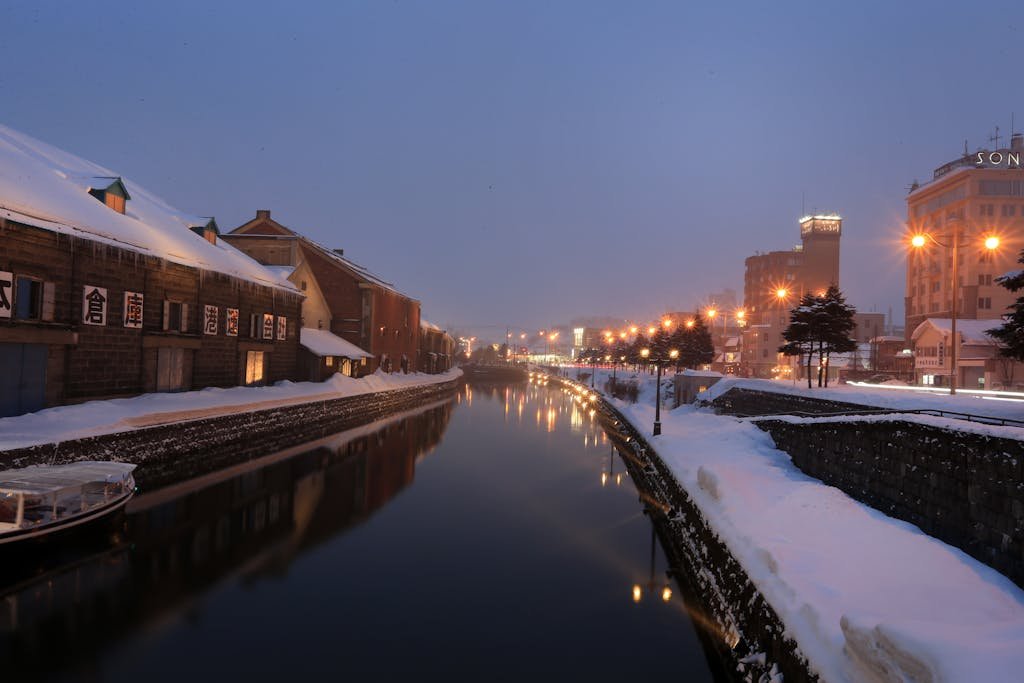
Otaru is a small port city about 30–40 minutes from Sapporo by train.
Highlights:
- Historical canal lined with old warehouses
- Glassware shops, music box museum, and pretty streets
- Fresh sushi and seafood at local markets
Spend a day or stay one night to enjoy the evening lights along the canal.
Niseko and Furano – Skiing and Nature
- Niseko: Internationally famous ski resort with excellent powder snow, many foreign-friendly facilities, and vibrant après-ski.
- Furano & Biei: Summer stars; think lavender fields, patchwork farms, scenic hills, and cycling routes.
Both areas are also pleasant in shoulder seasons with less crowd and lower prices.
Hakodate, Asahikawa, and Eastern Hokkaido Highlights
- Hakodate: Night view from Mount Hakodate, morning seafood markets, historical red-brick warehouses.
- Asahikawa: Base for Asahiyama Zoo, Daisetsuzan area, and nearby hot springs.
- Eastern Hokkaido (Shiretoko, Akan, Kushiro): Wild, remote, and perfect for those who love nature, lakes, and wildlife.
If you have 7–10 days, try to combine at least two regions (e.g., Sapporo + Otaru + Furano OR Sapporo + Hakodate).
Hokkaido Food Tips
Dishes You Must Try in 2026
Hokkaido is a foodie heaven. Make room for:
- Sapporo miso ramen – Rich, warming, and perfect in winter
- Jingisukan (Genghis Khan) – Grilled lamb on a special dome-shaped grill
- Soup curry – A Hokkaido specialty with flavorful broth and chunky veggies
- Fresh seafood – Crab, uni (sea urchin), scallops, salmon roe
- Soft-serve ice cream – Hokkaido dairy is on another level
How to Order If You Don’t Speak Japanese
- Many menus have pictures – just point and smile.
- Learn simple phrases like “kore onegai shimasu” (“this one, please”) while pointing.
- In some touristy areas, you’ll find English or Chinese menus – don’t be shy to ask.
Budget Eating vs. Splurge Meals
- Budget: Convenience stores, chain restaurants, standing sushi bars, ramen shops.
- Mid-range: Local izakaya, small family-owned places, lunch sets.
- Splurge: Crab feasts, kaiseki dinners at ryokan, premium sushi.
Mix and match. Save on breakfast and lunch, then splurge on one memorable dinner.
Budgeting for a Hokkaido Trip in 2026
Average Daily Costs (Accommodation, Food, Transport)
Rough daily estimate per person (in very broad terms):
- Budget:
- Accommodation: ¥4,000–¥8,000
- Food: ¥2,500–¥4,000
- Transport: ¥1,500–¥3,000 (more if long-distance)
- Comfortable mid-range:
- Accommodation: ¥10,000–¥18,000
- Food: ¥4,000–¥7,000
- Transport/activities: ¥2,000–¥5,000
Ski trips and onsen resorts can push the daily cost higher.
How to Save Money Without Feeling Poor
- Use IC cards or regional passes for trains/buses where available.
- Take advantage of lunch sets, which are often cheaper than dinner.
- Book accommodation a bit away from the most touristy hotspots.
- Travel in shoulder seasons (early spring, late autumn) for better deals.
Cash, Cards, and IC Payments in Hokkaido
By 2026, card and digital payments are widespread, but:
- Always carry some cash for small shops and countryside areas.
- IC cards (like Suica, etc.) are convenient for transport and vending machines.
- Many convenience stores and chain restaurants accept credit cards and e-payments.
Packing List for Hokkaido 2026
Winter Essentials
If you’re going in winter, pack:
- Waterproof boots with good grip
- Thermal base layers (top and bottom)
- Warm gloves, beanie, and scarf
- Heat packs (you can also buy them in Japan)
- A good, insulated, waterproof jacket
Hokkaido winter is no joke. Being warm and dry can make or break your trip.
Summer and Shoulder-Season Essentials
For spring, summer, and autumn:
- Light layers – weather can change quickly
- A thin down jacket or warm layer for evenings
- Comfortable walking shoes
- Rain jacket or small umbrella
- Sunscreen – yes, even in Hokkaido
Tech, SIM Cards, and Useful Apps
- Pocket Wi-Fi or eSIM/SIM card for data
- Google Maps for navigation
- Translation app (e.g., camera translation for menus)
- Offline map of your driving area if you’re going remote
Language and Cultural Tips
Useful Japanese Phrases for Hokkaido Travelers
A few simple phrases go a long way:
- “Sumimasen” – Excuse me / sorry
- “Arigatou gozaimasu” – Thank you
- “Eigo no menyuu arimasu ka?” – Do you have an English menu?
- “Kore onegai shimasu” – This one, please
- “Toire wa doko desu ka?” – Where is the toilet?
Even if you say them with an accent, locals will appreciate the effort.
Politeness, Manners, and “Unwritten Rules”
- Speak softly on trains and in public.
- Don’t eat while walking in crowded streets (unless it’s clearly a street food area).
- Queue politely – Japan loves lines.
- Take your trash with you if there’s no bin – trash cans can be surprisingly rare.
Safety, Weather, and Nature Awareness
Snow and Ice Safety in Winter
- Sidewalks can be extremely slippery – walk slowly, take shorter steps.
- Don’t stand under heavy icicles or snow roof edges.
- Check weather and transport updates during storms – some trains and roads may close.
Nature and Wildlife – Bears, Sea, and Mountains
Especially in eastern and national park areas:
- Respect warning signs about bears. Don’t leave food or trash behind.
- If hiking, stay on marked trails and consider a bear bell.
- Be cautious near cliffs and rough seas – Hokkaido’s nature is beautiful but powerful.
7 Smart Hokkaido Travel Hacks for 2026
- Plan by region, not by “famous spots.” Hokkaido is huge. Don’t try to crisscross the island in three days.
- Stay at least 3 nights in one base. Less packing/unpacking, more enjoying.
- Book onsens with meals included. One night of full-board ryokan can feel like a mini-retreat.
- Use convenience stores smartly. They save money, time, and sometimes your life.
- Start early in winter. Sun sets early and roads can be tricky at night.
- Don’t overpack outfits. Pack layers instead of many separate bulky items.
- Leave space in your luggage. You’ll want to bring back snacks, souvenirs, and maybe Hokkaido-only KitKats.
Sample 7-Day Hokkaido Itinerary for 2026
Day 1 – Arrive in Sapporo
- Land at New Chitose Airport
- Train to Sapporo Station
- Explore Odori Park and Susukino at night
- Dinner: Sapporo miso ramen
Day 2 – Sapporo City Highlights
- Morning: Sapporo Clock Tower, old government building
- Afternoon: Sapporo Beer Museum and tasting
- Evening: Soup curry or jingisukan
Day 3 – Day Trip to Otaru
- Train to Otaru (about 30–40 minutes)
- Walk along the canal, visit glass and music box shops
- Try fresh sushi for lunch
- Return to Sapporo in the evening
Day 4 – Head to Furano/Biei (Summer/Autumn) or Niseko (Winter)
- Pick up rental car or take train/bus
- Check in to your hotel or ryokan
- Enjoy local onsen at night
Day 5 – Nature and Scenery
- In Furano/Biei: Visit flower fields (summer), scenic hills, photo spots
- In Niseko: Ski/snowboard in winter, hike or relax in other seasons
Day 6 – Onsen Stay and Relaxation
- Move to a hot spring area (e.g., Noboribetsu, Jozankei, or another onsen town)
- Check-in to ryokan with dinner and breakfast included
- Soak in onsen, eat too much, sleep like a baby
Day 7 – Back to Sapporo and Departure
- Return to Sapporo or New Chitose Airport
- Last-minute shopping for snacks and souvenirs
- Fly out with a phone full of photos and a mind already planning your next trip
Conclusion
Hokkaido in 2026 is more than just “Japan but colder.” It’s a completely different experience – wider roads, wilder landscapes, slower pace, and incredibly comforting food. Whether you’re chasing powder snow, purple lavender fields, or quiet lakes wrapped in autumn colors, Hokkaido has a season that fits your travel style.
Plan by season, choose a few key regions instead of trying to do everything, and don’t be afraid to rent a car if you’re comfortable driving. Mix city time in Sapporo with smaller towns, onsen stays, and a bit of local adventure. With the right timing, packing, and mindset, your Hokkaido trip won’t just be “a nice holiday” – it will become the Japan trip you keep comparing all others to.
FAQs – Hokkaido Travel Tips 2026
1. Is Hokkaido worth visiting in 2026 if I’ve already been to Tokyo and Osaka?
Absolutely. Hokkaido feels like a different country compared to Tokyo and Osaka. It’s more spacious, less crowded, and nature-focused. If you enjoyed Japan but wished for more open landscapes and fewer people, Hokkaido will feel like a dream.
2. How many days do I need in Hokkaido for a first trip?
For a first visit, 5–7 days is a good starting point. That’s enough for Sapporo, Otaru, and one more region like Niseko, Furano, or Hakodate. If you want to explore eastern Hokkaido and national parks, aim for 10–14 days.
3. Is it safe to drive in Hokkaido in winter 2026?
It can be safe if you’re used to winter driving and rent a car with proper snow tires. Roads are generally well maintained, but ice and snow are real risks. If you have no experience driving in snow, it’s better to rely on public transport or visit outside peak winter.
4. Do I need to know Japanese to travel around Hokkaido?
No, but it helps to know a few basic phrases. In big cities and tourist areas, you’ll often find English signs or staff who can manage simple English. In rural areas, you’ll rely more on translation apps, body language, and simple Japanese phrases – but it’s totally doable.
5. What’s one thing I shouldn’t skip on a Hokkaido trip in 2026?
If you can only pick one thing: an onsen stay in winter or autumn. There’s something unforgettable about sitting in a steaming outdoor bath while snow falls or cool mountain air surrounds you. It’s pure Hokkaido magic.